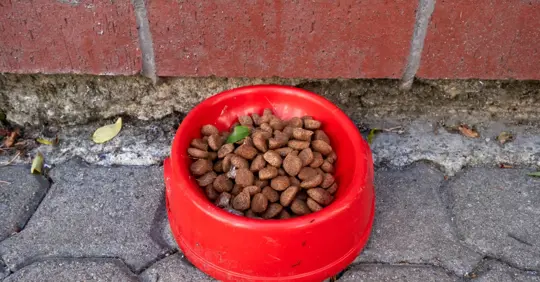
Leaving pet food outside may seem convenient, but it can also attract unwanted wildlife and pests to your property. In Reno, NV, outdoor food sources can be easy targets for animals seeking a reliable meal, especially during warmer months when wildlife activity increases.
Raccoons, rodents, opossums, birds, and other animals may be drawn to the smell of pet food. Once they discover an easy food source, they may continue returning to the area and look for additional places to shelter nearby.
If you notice increased wildlife or pest activity around your home, contact ecoPest Wildlife Management via our online contact form or call (775) 256-3868. We can help identify potential attractants and discuss options to protect your property.
Why Outdoor Pet Food Attracts Wildlife
Animals are always searching for three basic needs: food, water, and shelter. Pet food left outside can provide an easy meal, encouraging wildlife and pests to spend more time near your home.
Even a small amount of food can attract animals with a strong sense of smell. Once they find a reliable source, they may return regularly.
Outdoor pet food may attract:
- Raccoons are looking for easy meals
- Rodents searching for food sources
- Opossums exploring new areas
- Birds gathering around leftover food
- Insects are attracted to food residue
Keeping food available outdoors for long periods can increase the chances of unwanted visitors near your property.
How Wildlife Can Become a Problem Around Your Home
Wildlife may begin by visiting your yard for food, but some animals may eventually look for additional resources nearby. Shelter areas such as sheds, crawlspaces, decks, garages, and attics can become attractive if animals are already spending time around your home.
Signs of wildlife activity may include:
- Droppings near feeding areas
- Tracks around outdoor spaces
- Damaged containers or property features
- Scratching noises from hidden areas
- Increased nighttime activity
If animals begin entering your structure, the issue may require more than simply removing the food source.
Tips to Reduce Wildlife Around Outdoor Feeding Areas
You do not have to stop caring for your pets to help reduce wildlife activity. A few simple habits can make outdoor areas less attractive to unwanted visitors.
Consider these steps:
- Bring pet food bowls inside after feeding time
- Store pet food in sealed containers
- Clean up spilled food quickly
- Keep trash containers secured
- Remove leftover food before nighttime
These small changes can help reduce attractants around your home.
Why Prevention Matters
Once wildlife learns that food is available near a home, it may continue checking the area. Removing attractants is an important first step, but it is also helpful to check whether animals have already found ways to access your property.
Inspect areas such as:
- Roof edges and vents
- Crawlspaces and decks
- Garages and sheds
- Gaps around foundations
Addressing possible entry points can help reduce the chance of wildlife moving from your yard into your home.
How ecoPest Wildlife Management Can Help With Wildlife Concerns
Wildlife belongs outdoors, but easy access to food and shelter can sometimes bring animals too close to your living space. Understanding what attracts wildlife is an important part of protecting your property.
For homeowners and businesses seeking pest control in Reno, NV, ecoPest Wildlife Management offers wildlife management solutions, including inspection, removal, and prevention services.
If you notice signs of unwanted wildlife activity on your property, contact ecoPest Wildlife Management via our contact page or call (775) 256-3868. Our team can help you identify potential attractants and discuss solutions tailored to your property’s needs.